What Are Micro-Hydraulics? Bieri High-Pressure Pumps Explained
Bieri makes compact, high-pressure hydraulic pumps and components in Switzerland for applications where small size and precise output matter. This article introduces micro-hydraulic products such as the AKP20 and AKP30, explains their use in small power units, and discusses setup and testing considerations for these compact components.
What Are Bieri Pumps And What Makes Them Different?
Tomas: Hi Fraser, I heard we are now carrying Bieri pumps—what's unique about them and why did we start selling them?
Fraser: Bieri is a Swiss Company and they manufacture entirely in Bern, Switzerland. They are a small manufacturer that specializes in high pressure components. Extremely precise and capable. But because of the high pressure, they are considerably smaller components. They have a piston pump that is only 3 cm wide.
What Are Micro-Hydraulic Pumps Used For?
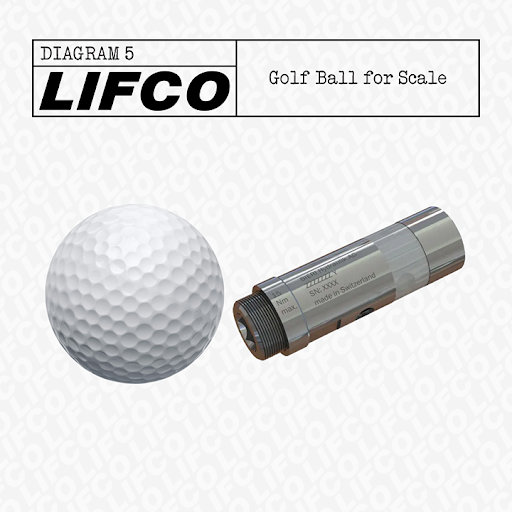
Tomas: I think I found a diagram of that under their "micro hydraulics" page: the AKP20 (Diagram 1&5). I have never heard of such a small pump—why does this exist, and do you know what applications it might be used on?
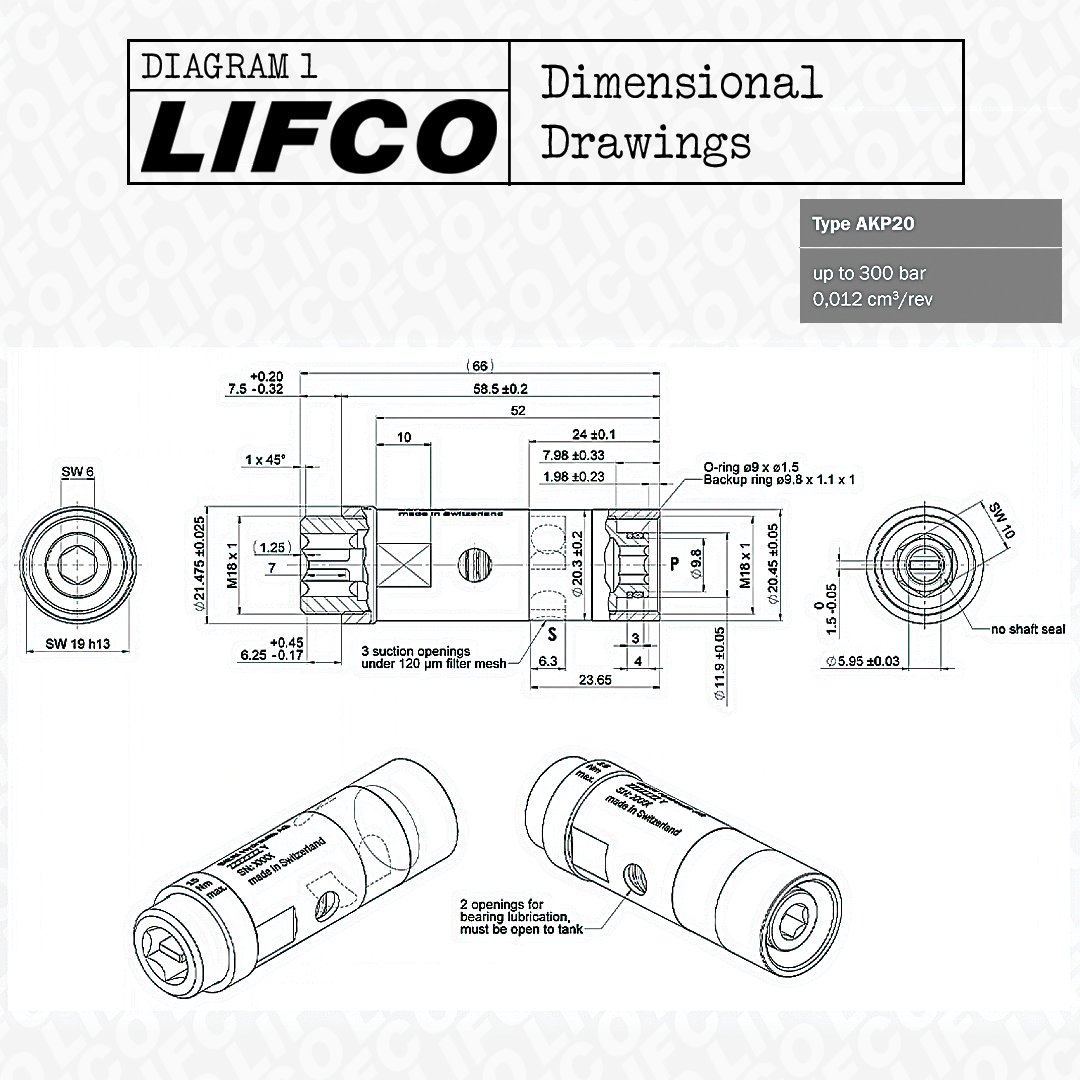
Fraser: The application for this one is on a drilling cutting head. There are hydraulic clamping mechanisms and it would be too difficult for a hydraulic hose to go all the way down and then back up. Instead they use electrical wires to power a similar sized electric motor that screws together with the pump. I don't know what they use for a reservoir—I will ask some more questions.
But then they also have a hydraulic system deep underneath the ocean; and very powerful, although this isn't their super-high pressure pump series, but having a high efficiency 300 bar (4250 psi) piston pump that is only 3 cm wide is an incredible feat of engineering. Bierei Presentation
How Small Can a Hydraulic Pump Be?
Tomas: Do you know what goes into manufacturing or servicing such a small pump? I am guessing a lot of specialized tools and instruments are required. Not to mention specialized knowledge. Given their size, are there many/any similarities to their bigger counterparts like the P2 or Linde piston pumps we see on our channel?
Fraser: This is a good question. The smallest P2 is the P2060, which is 60cc per revolution. It would commonly operate around 2000 rpm, which would be about 120 litres per minute (31 gallons per minute). But this Bieri pump is 0.012 cc's and running at 5000 rpm, which comes to 0.06 litres per minute (0.016 gallons per minute).
At these small rates, it would not appear to be doing "work" (a physics term where a force is applied to an object and so it moves). It is likely the application would be to maintain pressure, like with a clamp.
Here is a great video of what is required to manufacture components of this caliber.
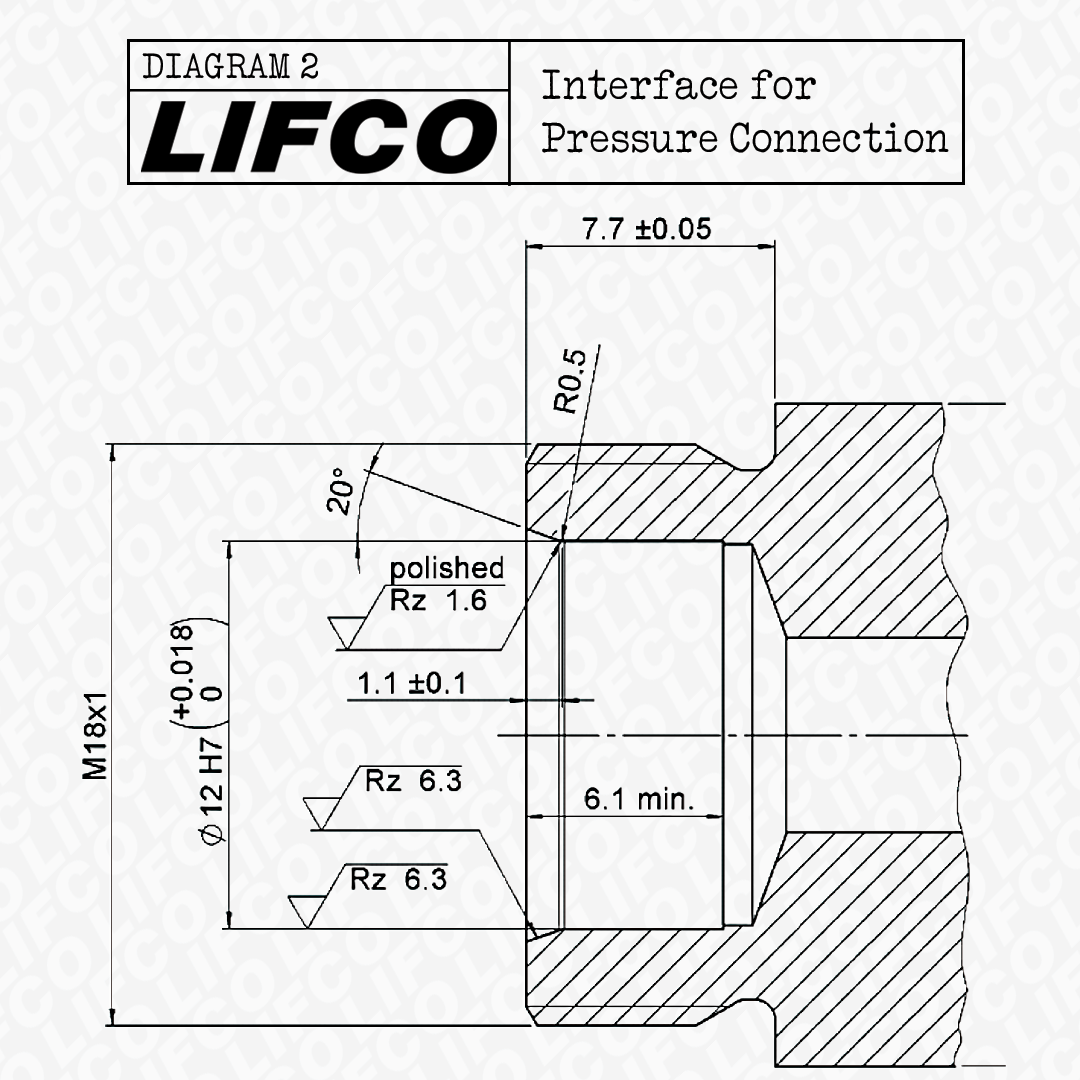
Tomas: That's pretty incredible, I can't imagine how tight the tolerances are for something that small. Looking at the diagram again, I don't think I recognize a single component on the inside. Does this have a swashplate/cradle/port plate, etc.? There seems to be some sort of barrel (Diagram 2), but even that doesn't quite look like others I've seen.
Fraser: No, it is not variable. Variable in open loop is an energy saving feature. Due to its incredibly small size, there is nothing to gain from saving energy. Also, they can give it a variable flow by changing the RPM of the electric motor. Regarding the other internals you mentioned, there are no inside components shown (Diagram 1&2), but these can be serviced. More to come on what's inside though.
How Does a Micro-Hydraulic Pump Work?
Tomas: Just reading the product brochure, it says "Equipped with a rotating wobble-plate"—would that mean that it is variable?
Fraser: The hydraulic schematic shows it as fixed displacement. The wobble part is likely due to the way it couples to the electric motor, that there is a little play in the shaft to allow for some misalignment. Parker's P6 and P7 Gold Cup pumps have this option as well—the #1 shaft which is the same as a #3 shaft except a shim is omitted to allow for some play.
See our line of P6 and P7 Gold Cups on our website, here!
What Is a Submerged Hydraulic Pump?
Tomas: I also read that the AKP30 has a "Submerged pump, suction side open to tank, and no shaft seal"? (AKP30 Product Brochure). This seems like something we've never seen in our shop before, or at least not on our channel.
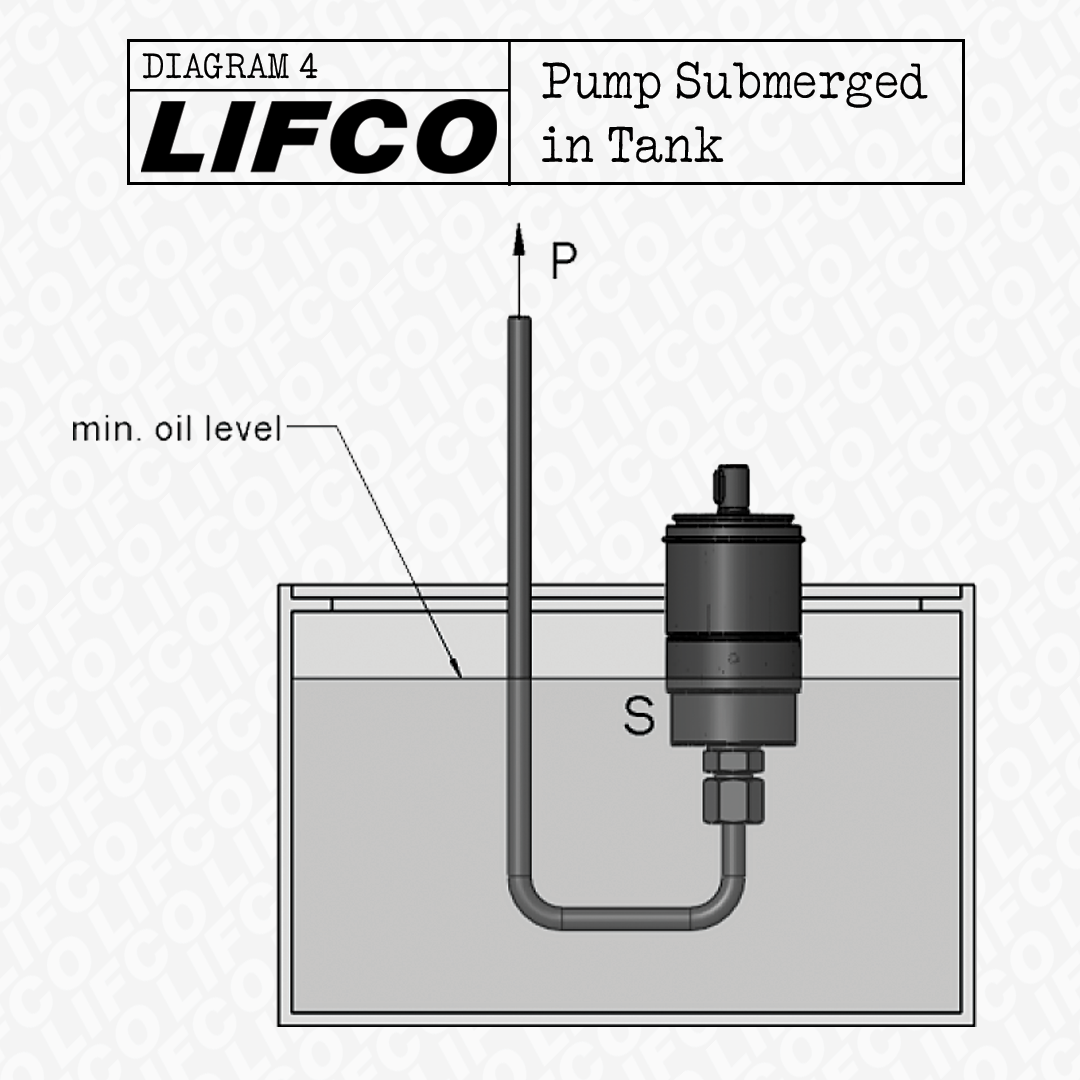
Fraser: Submerged pumps are very common in the smaller industrial pumps, so that literature is saying that this pump goes into the reservoir. Since nothing needs to be contained, it doesn't need a shaft seal. Very compact. It means that the electrical motor would also be submerged, which is highly unusual in standard hydraulics.
Tomas: So the motor and pump would be inside the reservoir and submerged in oil? As someone who is just getting used to "standard" hydraulic schematics, I am very curious to see what a schematic like this would look like.
Fraser: Check the V-Pack catalog with Parker (Diagram 3).
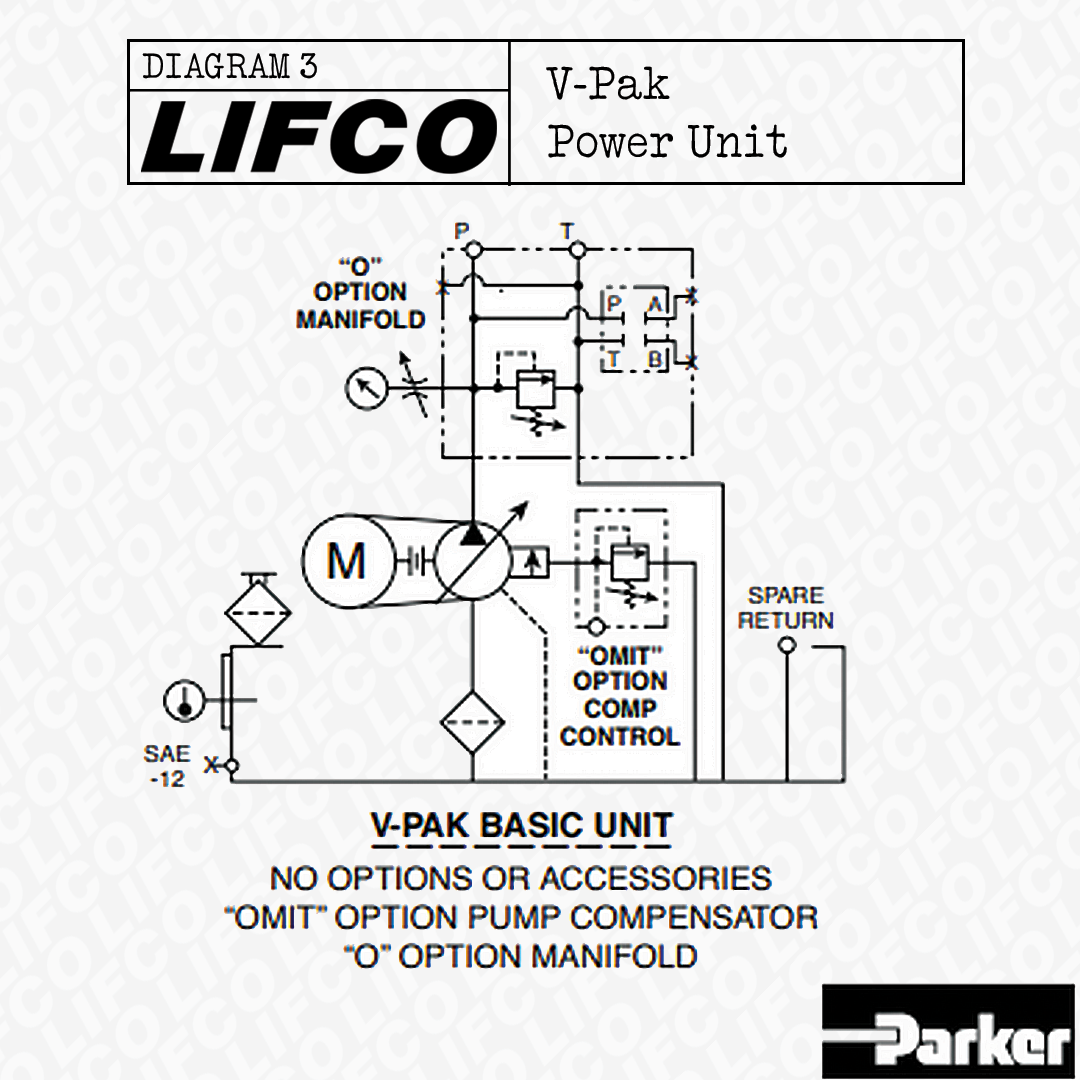
Tomas: So in these power units, they would have a submerged/integrated pump as well?
Fraser: Yes. Very common in small power units. Keeps the footprint small. The only annoying part is that to make changes you have to take the lid off. So if you are ordering a replacement pump then you should tell Lifco the settings and we can have it bench set before installation.
How Do You Test a Micro-Hydraulic Pump?
Tomas: Would we be able to test something like the Bieri AKP30 on our test stand? Or, how would we test any submerged pump or power-unit on our stands?
Fraser: The submersible part would be easy because we could just place the pump and motor assembly into a container of oil and have a hose going to a small relief valve. We would probably want to find the same relief valve they use in the application. The issue is that the flow rate is so low that it would be difficult to measure. We would need to either get these micro components or change the way we test.
Tomas: Hopefully this new line of pumps does well, because I would love to see a test or inspection on one of these someday. Thanks for that introduction to "micro-hydraulics."