Aviation Hydraulics: Skydrol, Safety, and Destructive Testing
Aviation Hydraulic Systems require specialized testing, fluid compatibility, sealing, and safety practices that differ from mobile or industrial equipment.
Destructive Testing with Hydraulics in Aerospace
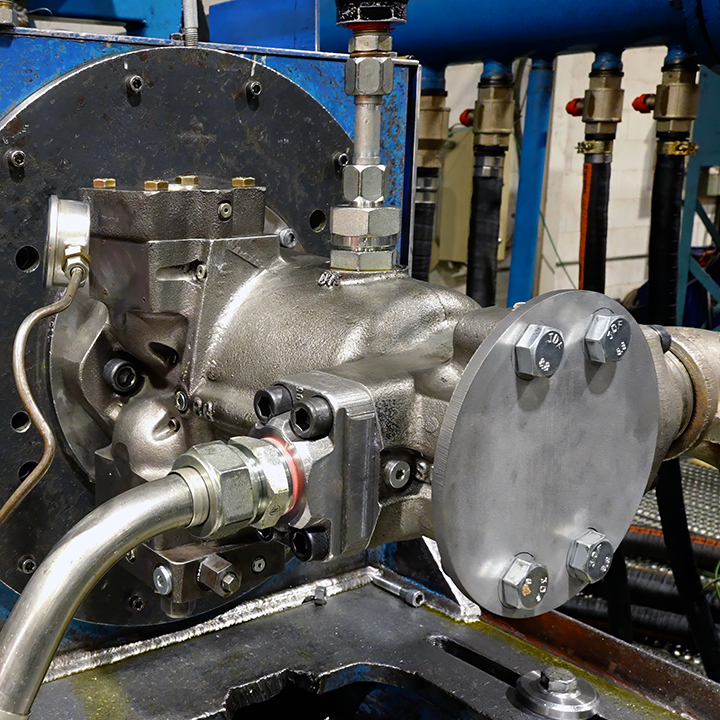
Tomas: With the landing gear testing pump (not sure if there is a more accurate name), you briefly discussed "destructive testing", can you think of any other industries where hydraulics are used for this purpose?
Fraser: All of aerospace is testing, testing, testing. SpaceX is another customer of ours, so outer space would be the other industry!
Tomas: What makes hydraulics so good at this type of destructive testing?
Fraser: The components that they are testing are hydraulic. Landing gear for instance are hydraulic.
What Makes Aviation Hydraulics Different?
Tomas: We talked about Skydrol for aviation applications, would SpaceX hydraulics need a different type of fluid to work with the constraints of space? I imagine gravity (or lacktherof) and extreme temperatures would also impact hydraulic systems?
Fraser: Space fluids?! Im sure that is a whole nother world. I don't know much about it but I'm sure we could go down a rabbit hole on the web. I found this paper published by NASA about lubrication in space. Which is different than fluid power, but still very interesting: Liquid Lubrication For Space Aviation
Tomas: Back to aviation, besides the things we discussed in the video (skydrol, extra safety precautions, EPR seals) are there any other things different about aviation-hydraulics than other sectors/applications?
See our website for our stock in EPR Seals
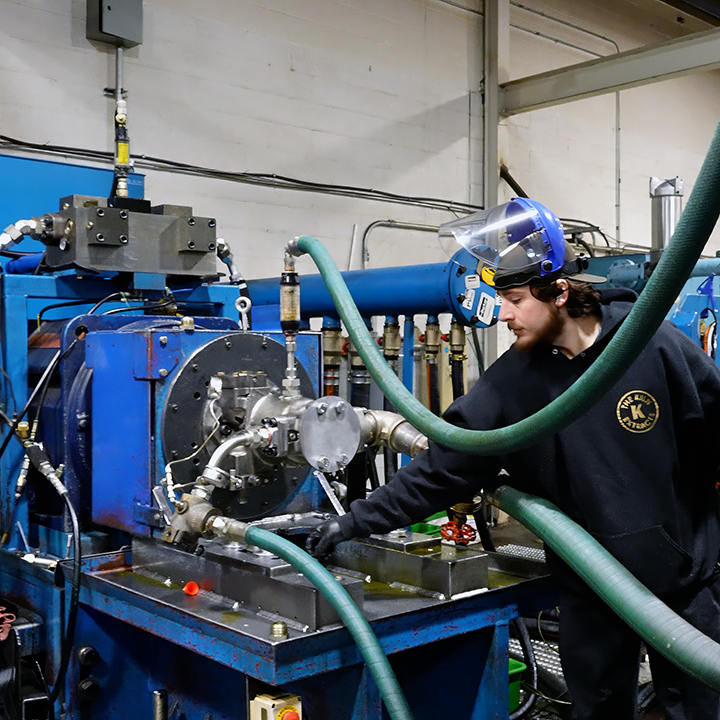
Fraser: It is important to know that we do not supply components that are going into the planes or spacecraft. We only supply equipment to help test on the ground.
Video: What Is Skydrol? Parker P09 Pump From a Landing Gear Test Rig (EPR Seals Too)
Hydraulic Testing in Military and Marine Applications
Tomas: Are there any other sectors/applications (that Lifco works in) that require this much attention to detail and time for testing? (Cleanup/ separate test stand, etc.)
Fraser: Military applications have extensive testing requirements. Our average test is just a few minutes once everything is running, while a military testing procedure could be an hour or two. Another sector that has high reliability requirements are marine steering systems. Here are most of the industries that use Hydraulics: Aerospace, Truck (vocational Truck), Forestry, Marine/Navy, Mobile (off-highway), Energy (Oil & Gas, offshore), Industrial (ie manufacturing), agriculture.
Tomas: Do you or any of the mechanics have a "favorite" or most "rewarding" industry to work with? I remember our "tractor-pump" video being quite entertaining and rewarding.
Fraser: My favourites are forestry and the Navy. See Tigercat's forestry videos.