What Happens to a Threaded Fastener Under Load?
A threaded fastener in a hydraulic assembly must withstand tensile and compressive forces, stretch elastically, and resist fatigue over repeated cycles. This article explains why fastener grade, thread quality, and material behavior matter as hydraulic pressures rise, including why high-grade steel fasteners are used in demanding applications.
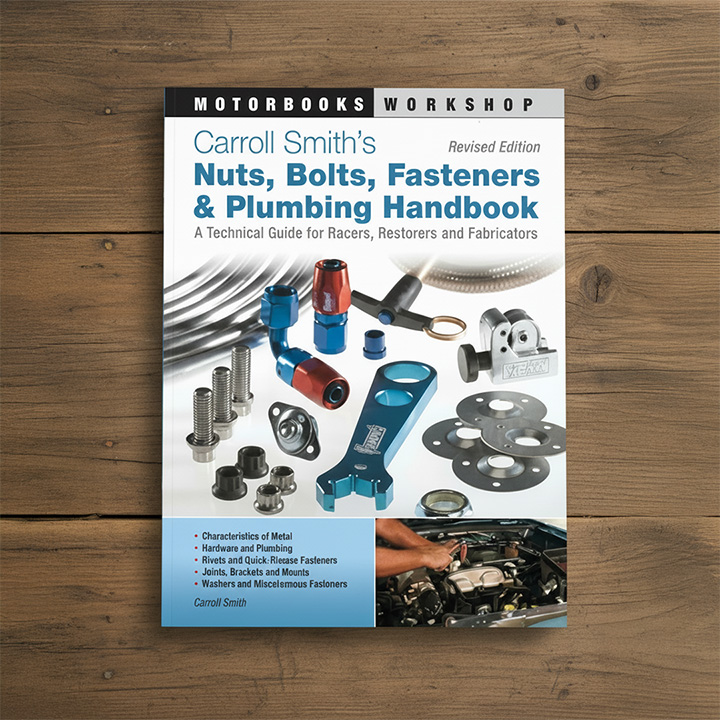
Carroll Smith's Fastener Handbook Free E-book
What Happens to a Threaded Fastener When Force Is Applied?
Tomas: I'm trying to understand one of the diagrams from the book we mentioned in our last video, the Nuts and Bolts Handbook by Carroll Smith? (Pg 16 of the handbook, attached below). I think this is comparing other materials to metal when under strain. What does this mean practically speaking--what is going on to a threaded fastener when force is applied to it?
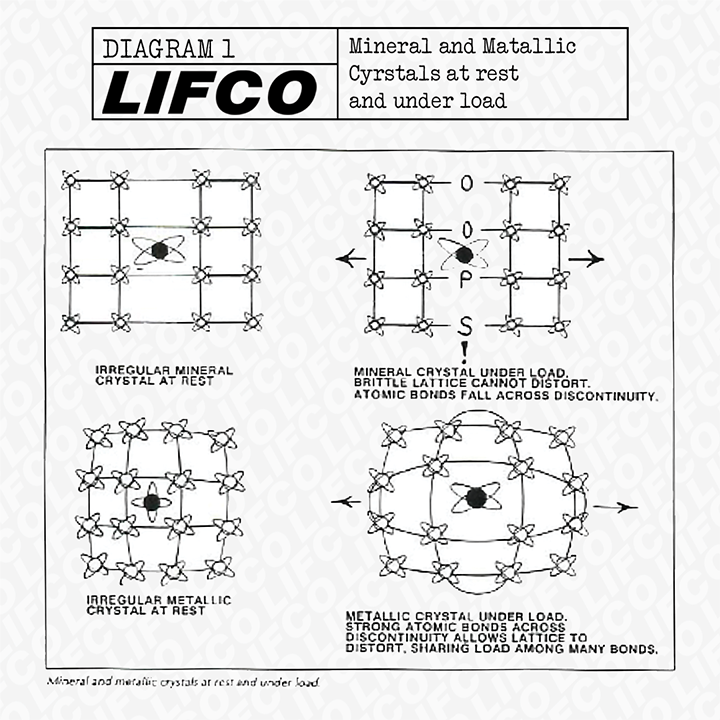
Fraser: This is comparing something inelastic and brittle (ie. mineral) against something elastic and can handle strain (ie. metallic). The diagram is saying that metal's ability to bend and return back to its original shape is the key to threaded fasteners.
What Makes a Good Material for Threaded Fasteners?
Tomas: Are certain types of metal better at this than others? What material makes the best threaded fastener?
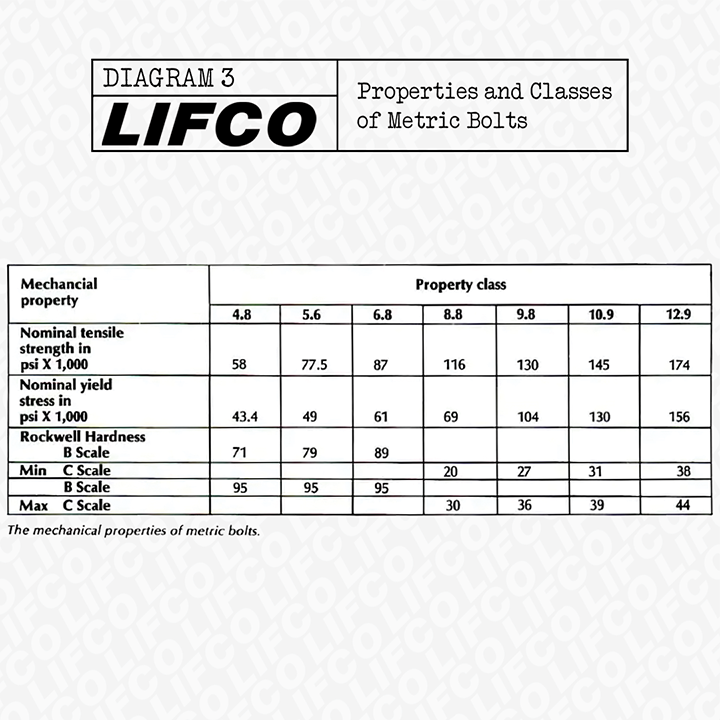
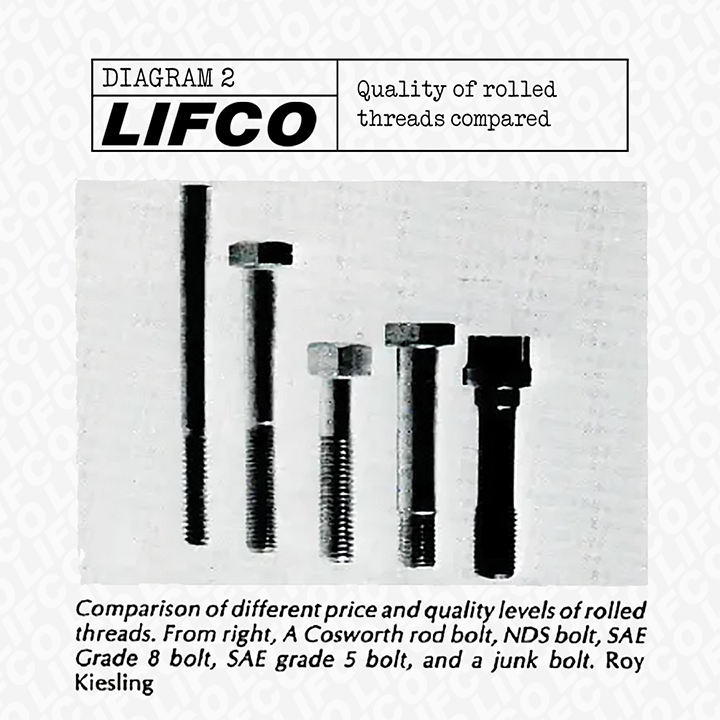
Fraser: There are a few forces being applied. It needs to be strong (tensile and compression strength), needs to be able to deform and want to return to it shape (elastic, like a spring), and it needs to be able to do it repeatedly (anti-fatigue capabilities, imagine if you could only use every screw once?). All the fasteners that we see in hydraulic assemblies/components are steel - grade 8. With today’s pressures (the F12 series is now a 7000 psi motor/pump) and the low cost of fasteners compared to the total system, always use the highest grade (grade = performance). Why take the chance?
Parker F12 Hydraulic Motors in Stock
How Do You Choose the Right Bolt for a Hydraulic Application?
Tomas: Staying on Hydraulics for a second--with all the different types of metal, grades of steel, threads, and shapes of bolts, how on earth does a pump or motor manufacturer choose the right bolt for a job? Or, how can home-mechanics or hobbyists make sure that they're choosing the right bolts for their jobs?
How Do Manufacturers Know Which Fastener Will Work Best?
Fraser : The honest answer? Trial and error. A lot of these product lines have been around for many years and they designed the best they could at the beginning, but after that they simply responded to each piece of feedback. The assessments after for each cause of failure are the critical part. Sometimes it is not about a strict science, as Carroll Smith said in his Nuts, Bolts book, you need a crystal ball, and you just want to make sure you are not making it too cloudy.
Video: Parker TF Torqmotor failure, can under-torqued bolts blow an O-ring?